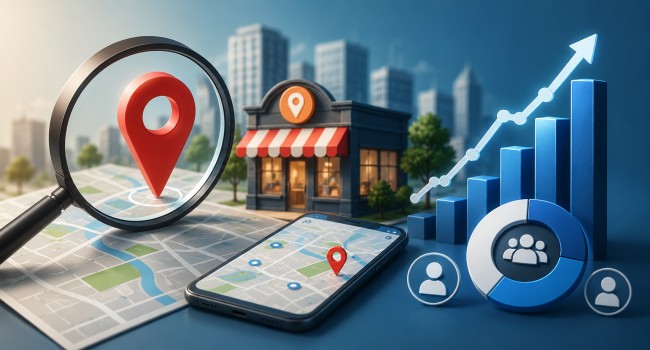
With roughly 68% of all internet searches in Australia now conducted on mobile devices, the landscape of consumer discovery has fundamentally changed. Today, nearly half of all Google searches carry explicit local intent.
People are no longer just looking for generic solutions. They are seeking immediate, nearby answers to their problems. This shift towards hyper-local search behaviour presents a massive opportunity for businesses that know how to target specific regional audiences effectively.
By focusing on neighbourhood-level queries, brands can bypass the immense competition of national campaigns and connect directly with high-intent buyers in their immediate vicinity.
Navigating these regional nuances often requires specialised knowledge, which is why engaging a dedicated SEO service in Sydney or other major hubs can help companies outmanoeuvre generic, one-size-fits-all national strategies.
Budgeting for Local Search Dominance
The shift towards localised marketing begins with a structural change in how marketing funds are distributed. As small-to-medium Australian businesses increasingly compete with enterprise brands, many are re-evaluating their digital spend.
Before launching into location-based campaigns, marketing managers need to understand how to allocate your budget for digital marketing to ensure every dollar works towards achieving the highest possible return on ad spend.
Once channel priorities are established, carving out a specific portion of the budget for hyper-focused regional search often yields a dramatically higher return on investment than broad demographic targeting.
Dynamic, location-based strategies deliver consistently superior results because local queries capture consumers precisely when they are ready to transact. Businesses that invest heavily in local visibility consistently report shorter sales cycles and reduced customer acquisition costs.
The Mechanics of High-Intent Regional Traffic
The true power of local search lies in its unparalleled conversion potential. When a user pulls out their smartphone to search for a service nearby, they are typically looking to make a purchase within twenty-four hours.
This high level of commercial intent means that businesses visible in these micro-moments experience significantly better lead quality.
They are speaking to an audience that has already moved past the preliminary research phase and is actively seeking a local provider to fulfil an immediate need. Consequently, sales teams spend less time nurturing cold leads and more time closing deals with motivated buyers who are ready to take action.
Recent benchmark data clearly illustrates this advantage. According to industry analysis from Search Engine Land, local service categories experience robust engagement, and these high-intent local queries boast the highest conversion rates across industries.
By optimising for these specific regional moments, brands ensure they are capturing real revenue rather than just generating empty top-of-funnel traffic.
Navigating the Complexities of Regional SEO
While the benefits of regional visibility are clear, executing a flawless local strategy requires a deep understanding of area-specific search nuances.
Search algorithms now heavily factor in physical proximity, the sentiment of user reviews, and precise geospatial data to rank businesses in local map packs. National brands cannot simply duplicate a single service page across fifty different cities and expect to rank competitively.
They must curate authentic local experiences, weaving in regional landmarks, community partnerships, and geographically relevant case studies to build trust with both search engines and prospective clients.
This targeted expertise helps brands optimise for emerging trends like voice search and artificial intelligence overviews.
With over 40% of local business queries now triggering Google’s AI Overviews, having content tailored to answer specific, neighbourhood-level questions is essential for surviving in a zero-click search environment.
Core Tactics for Hyper-Local Success
To successfully capture local market share, businesses must implement a multi-layered approach to their digital presence. Broad keyword stuffing is no longer sufficient. Instead, companies should focus on the following foundational elements:
- Complete Google Business Profiles: Businesses that actively manage their profiles generate over four times more user direction requests than those with incomplete listings. Ensure hours, photos, and service areas are meticulously updated.
- Mobile-First Local Content: Since the vast majority of local searches occur on mobile devices, ensuring lightning-fast mobile page speeds and seamless navigation is critical to preventing bounce rates.
- AI and Voice Search Alignment: Roughly one-third of Australian consumers use voice search daily. Optimising for conversational, question-based local queries helps capture this growing demographic.
- Hyper-Targeted Geofencing: Utilising real-time location intelligence allows brands to engage customers through push notifications and tailored ads right when they enter a specific commercial district.
Ultimately, hyper-local search strategies offer a distinct competitive edge that broad marketing simply cannot match.
By shifting focus from broad national vanity metrics to high-intent regional traffic, marketers can drive significantly higher conversion rates while simultaneously lowering their acquisition costs.
As search behaviour continues to evolve rapidly and platforms become increasingly sophisticated at determining user location, prioritising location-based optimisation is no longer just a clever tactic.
It is a fundamental requirement for sustainable business growth, establishing local authority, and securing long-term customer acquisition in highly saturated markets.
Also Read: