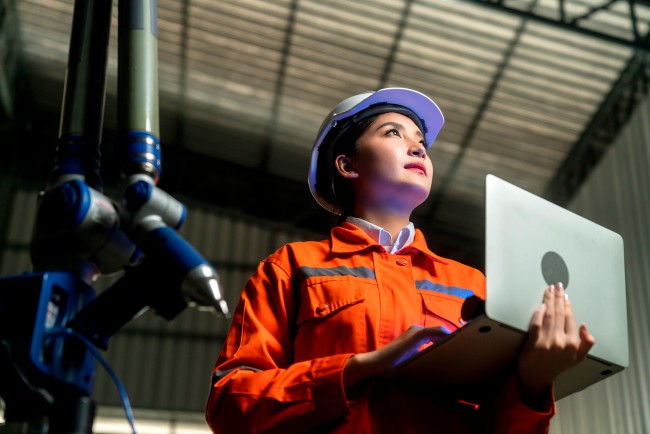
Factories once echoed with human footsteps, manual levers, oil-stained gloves, and sweating labor. Today, machines whisper. Robotic arms swing with calm precision.
Algorithms watch production lines like hawks spotting distant prey. Industrial automation and robotics stand not as optional upgrades, but as the steel backbone of modern production.
Any enterprise aiming to scale, safeguard quality, and increase pace leans toward automated workflows and smart robotics as naturally as lungs pull air.
Industrial automation blends machinery, electronics, software systems, data intelligence, and mechanical control to perform tasks faster and safer than manual labor. Robotics joins this world as the workhorse, the arms, wheels, and grippers moving under digital command.
Combined, they bring consistency, repeatability, and real-time adaptability into manufacturing floors, warehouses, power plants, material handling hubs, and countless specialized sectors.
This article walks through how automation and robotics reshape industries, why businesses chase this transformation, and what technologies drive the movement.
What Industrial Automation Means
Industrial automation replaces repetitive physical tasks and manual decision-making with software logic, sensors, and controlled machinery. It builds structured systems that follow programmed paths, adjust to real-time signals, and run around the clock without fatigue or distraction.
Automation stretches across conveyor systems, inspection lines, packaging units, smart storage areas, chemical mixing stations, and assembly robots. Its mission stays simple: run smoother, run faster, reduce errors, maintain precision, scale production without chaos, and raise workplace safety.
Many enterprise operations lean on automation for exact results: tiny microchips, automotive welding, injection molding, pharmaceuticals, and even beverage bottling. Precision becomes a habit, not a wish.
Core Pillars Behind Automation
A sturdy automation setup rests on technological pillars:
- Sensors for motion, temperature, vibration, vision, weight, and pressure
- Controllers such as PLC and PAC systems for logic and timing
- Actuators serving motion, torque, and power transfer
- Industrial Communication Networks ensuring machines talk without noise or lag
- Software & SCADA for supervision, alarms, control dashboards, and analytics
- Human–Machine Interfaces (HMI) bridging operators with automated systems
Each layer plays a role. Miss one, and the structure shakes. With all layers aligned, factories gain a digital nervous system able to detect, react, and optimize faster than human reflex alone.
Robotics: The Mechanical Workforce
Robots appear in many forms. Six-axis arms welding frames. Cobots standing near workers assisting with parts and packaging. Automated Guided Vehicles (AGVs) rolling along warehouse floors. Drones inspecting storage racks or scanning inventory from high beams. High-speed delta robots sorting products in milliseconds.
Robotics transforms manufacturing lines not only by reducing workload, but by providing uniform accuracy even at extreme speed. In tasks demanding steady hands—micro-soldering, medical device assembly, packaging pharma products—robots stay sharp, calm, and exact.
Different Types of Industrial Automation Systems
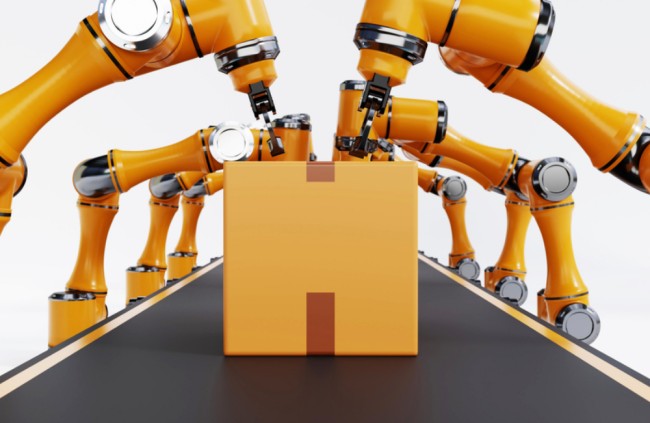
Not every industry needs the same level of automation. Systems differ based on production style:
Fixed Automation: Rigid design, built for high-volume identical product runs. Fast. Reliable. Little flexibility. Beverage plants, auto stamping lines, large-scale chemical batching fall here.
Programmable Automation: Adjustable systems based on programmed instructions. Common in batch production. Switchable when product variants shift.
Flexible Automation: Fast changeovers with minimal downtime. Ideal for multi-product environments and modern assembly lines where variation remains common.
Integrated Automation: Full digital integration across machinery, supply chain, scheduling, quality control, and raw material handling. A seamless industrial nervous system.
Each type fits different business targets – speed, versatility, or total digital integration.
Where Industrial Robotics Shines
Industrial robots excel in zones demanding high duty cycles, precision, and speed:
- Welding and metal fabrication
- Plastics molding and trimming
- Pick-and-place packaging
- Palletizing and warehousing
- CNC machining assistance
- Electronics manufacturing
- Food handling
- Medical equipment assembly
These systems never blink, never tire, never rush with shaky hands at end of shift.
Benefits Driving Adoption
Enterprises adopt industrial automation and robotics for practical and strategic reasons:
- Faster production with reliable accuracy
- Stable quality output
- Reduced scrap and rework
- Greater worker safety in dangerous zones
- Predictable operational schedules
- Real-time monitoring and diagnostics
- Stronger cost control over time
- Ability to run multiple shifts without interruption
Boosting efficiency opens doors for new markets, better pricing power, and higher competitiveness.
Data, AI, and Industrial Intelligence
Modern automation leans on intelligence. Data flows non-stop through machines, sensors, and cloud systems. AI algorithms detect patterns, forecast maintenance needs, adjust motor speeds, and optimize energy.
Predictive maintenance avoids blind breakdowns. Machine vision inspects products at micro-detail. Digital twins simulate factory performance before real-world changes.
Smart automation replaces reactive behaviors with proactive decisions. Instead of fixing machines after failure, systems predict wear and request service ahead of time. Downtime shrinks. Costs trim.
IoT and Connected Production Floors
Sensors placed across conveyor motors, valves, pumps, and robotic grippers send diagnostics to platforms tracking heat, vibration, speed, load, and positioning. Connectivity creates smart factories that adapt like living organisms—adjusting speed, energy, and routing as conditions shift.
Warehouses link automation and robotics with barcode scanners, cloud software, AMRs, and voice-guided systems for seamless inventory flow. Goods move like clockwork, guided by real-time logic.
Human Workforce in the Automated Era
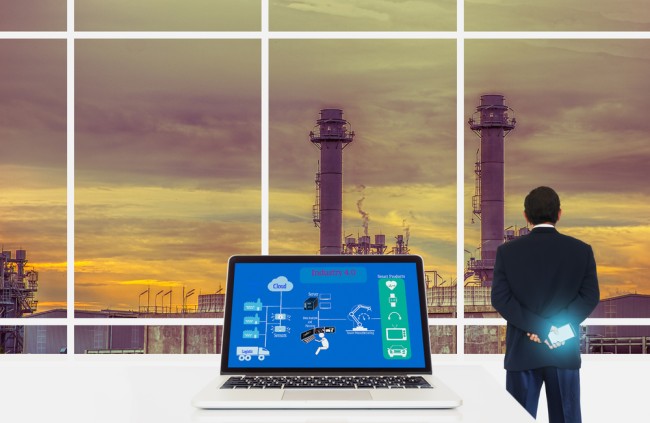
Contrary to automation myths, robots rarely replace all human roles. Jobs shift. Teams evolve. Human talent moves from repetitive manual tasks toward monitoring, analytics, maintenance, programming, quality calibration, and workflow planning. Cobots assist operators, not displace them. Training becomes core to building future-ready manufacturing teams.
Workplaces with automation tend to see fewer serious injuries, fewer heavy-lifting tasks, and lower fatigue—safer, cleaner, smarter floors.
Safety and Risk Controls
Modern automation environments focus sharply on safety:
- Light curtains
- Emergency stops
- Proximity sensors
- Collision detection in cobots
- Fire suppression logic
- Controlled torque and motion limits
- Cybersecurity controls for industrial networks
Automation reduces human exposure to molten metals, high-speed blades, toxic environments, and lifting hazards. Meanwhile, cybersecurity guards industrial control systems from digital sabotage.
Challenges Along the Path
Despite its strength, automation adoption demands planning. Key challenges include:
- Upfront investment
- Skilled talent requirements
- Integration with legacy equipment
- Change management and training
- Cybersecurity defense for control networks
Long-term payoffs outweigh early challenges when strategy stays consistent and leadership stays committed.
Emerging Future Trends
Industrial automation and robotics accelerate into advanced territory:
- AI-self-learning robots
- Exoskeleton wearable tech boosting human strength and safety
- Digital twin factories
- Autonomous warehouse fleets
- 5G-powered machine-to-machine communication
- Remote robotic operation and maintenance
- Cloud-native manufacturing control systems
Factories edge toward autonomous operation, using human insight only where judgment truly matters.
Final Takeaway
Industrial automation and robotics now sit at the center of competitive manufacturing strategy. Machines, data, and intelligent systems build an environment where precision, consistency, and speed become normal.
Robotics handles the muscle. Automation supplies the thinking and control. Together, they shape production that never stumbles, rarely halts, and continually learns.
As industries chase faster delivery cycles, smarter systems, and higher quality standards, automation grows from supportive technology to foundational infrastructure.
Workplaces become safer. Output more reliable. Business agility rises. Those adopting automation today position themselves ahead in tomorrow’s competitive race.
Also Read: