Making money from home sounds simple until the search begins. There are thousands of videos promising easy income, side hustles requiring “zero experience,” and business ideas that supposedly generate money while sleeping.
Most of those claims leave out the difficult part: finding customers and giving them a reason to pay.
The good news is that home-based work has become much broader in 2026. A laptop and an internet connection can support freelance work, consulting, online teaching, ecommerce, content creation, software services, and several other businesses.
Some options can produce income relatively quickly. Others take months to build. The difference matters.
Here are 15 realistic ways to make money from home, along with what each method involves and where the real opportunity lies.
1. Freelance Writing

Businesses need website content, product descriptions, newsletters, technical documentation, case studies and social media copy. That creates room for freelance writers who can produce useful material without requiring constant editing from the client.
General writing is crowded. Specialised writing is easier to position.
Someone with experience in cloud computing, finance, healthcare, software or engineering can write for companies operating in those industries. Industry knowledge gives the service more value than simply being able to produce grammatically correct sentences.
Finding the first few clients may take time. Once reliable work arrives, monthly retainers can make freelancing more predictable.
2. Offer Technical Freelance Services
Technical skills can be turned into home-based services without building an entire software company.
Cloud engineers, DevOps professionals, developers and system administrators can offer services such as AWS configuration, website deployment, Linux administration, CI/CD setup, Docker configuration, cloud migration and infrastructure automation.
Small businesses often do not need a full-time engineer. They may need someone for ten hours of work, a specific deployment, or help fixing a problem that has been sitting unresolved for weeks.
That gap creates an opportunity for specialised freelancers.
3. Online Tutoring

Teaching no longer requires a classroom. Mathematics, English, programming, accounting, science, languages and professional software skills can all be taught online.
Tutoring can start with one-to-one sessions and later move towards group classes or recorded lessons. A tutor who repeatedly teaches the same subject can turn common questions into worksheets, exercises and paid learning material.
The subject does not have to be academic, either. Excel, Python, AWS, graphic design and interview preparation are examples of skills people may pay to learn.
4. Start a Niche Blog

Blogging is still a possible home-based business, but the old strategy of publishing hundreds of shallow articles is becoming less useful.
A focused website has a better starting point.
A technology site, for example, could concentrate on cloud computing, cybersecurity, software, artificial intelligence or business technology. Over time, useful articles can attract search traffic and create several revenue opportunities.
Income can come from advertising, affiliate partnerships, sponsored articles, digital products and services.
The difficult part is patience. A new website may generate very little revenue during its early months. Publishing useful articles simply because a keyword has search volume is not enough. The content has to answer the question properly.
5. Affiliate Marketing
Affiliate marketing involves recommending products or services through tracked links. When a reader purchases something through the link, the publisher may receive a commission.
Technology websites have plenty of opportunities here. Software subscriptions, hosting services, productivity tools, business platforms and online services often operate affiliate programmes.
Useful affiliate articles include:
- Software comparisons
- Product reviews
- Alternatives to popular tools
- Buying guides
- Tutorials
- Software roundups
The key is trust. A website packed with exaggerated recommendations can lose readers quickly. Clear explanations of pricing, features, limitations and suitable use cases are far more useful.
6. Sell Digital Products
Digital products can be created once and sold repeatedly.
Templates are a straightforward example. Businesses and professionals may purchase invoice templates, project planners, Excel dashboards, presentation templates, social media calendars, resume templates or Notion systems.
E-books, checklists, research reports and design resources can also work.
The mistake is creating a product first and looking for customers afterwards. A better approach is to identify a recurring problem and build something that removes part of the work.
A small product solving one annoying problem can be more commercially useful than a large product trying to solve ten.
7. Create an Online Course

People pay for structured knowledge when it saves them time.
An online course can cover anything from beginner coding to digital marketing, photography, cloud computing, accounting software or professional certification preparation.
A good course should have a clear result. Instead of simply covering “AWS,” for instance, a course could focus on building and deploying a production-style application on AWS.
Course creation requires more work at the beginning than tutoring. Recording lessons, preparing examples, answering questions and updating outdated material all take time. Once established, though, a course can generate sales without requiring every customer to attend a live session.
8. Become a Virtual Assistant

Many small companies have work that needs doing but not enough work to justify another full-time employee.
That is where virtual assistants come in.
Typical tasks include email management, appointment scheduling, online research, spreadsheet updates, customer enquiries, document preparation and basic social media work.
The service becomes more valuable when the assistant understands a particular industry. A virtual assistant familiar with ecommerce operations, property management or digital marketing can often handle tasks with less supervision.
It is not glamorous work. That is partly the point. Businesses pay for reliable people who make routine work disappear.
9. Manage Social Media Accounts

Small businesses often create social media accounts with enthusiasm and then struggle to maintain them.
A home-based social media manager can handle content calendars, captions, basic graphics, scheduling, comments and monthly performance reports.
There is more to the job than posting three times a week. Good management means understanding what the business wants from social media.
For one company, the goal may be website traffic. For another, it could be enquiries, local visibility or customer engagement.
A clear service package makes the offer easier to sell.
10. Build and Maintain Websites
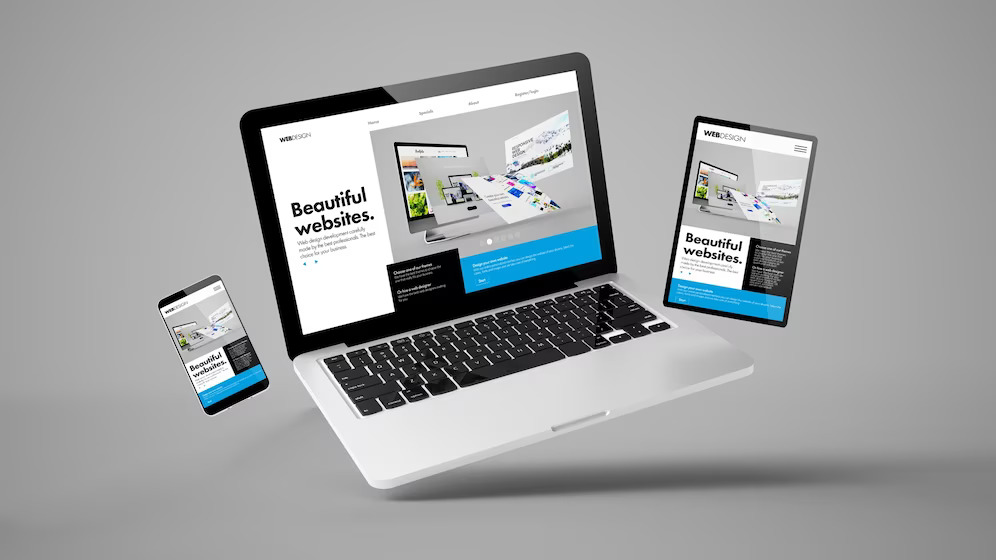
Website development remains a practical source of home-based income.
Small businesses need websites, but they also need help after the website goes live. Plugins require updates. Domains expire. Pages break. Websites slow down. Backups fail. Security issues appear.
That creates recurring work.
A developer can offer a one-time website build followed by a monthly maintenance plan. Services could include WordPress updates, backups, performance checks, security monitoring, content changes and technical troubleshooting.
Recurring maintenance is particularly useful because it avoids starting from zero with a new client every month.
11. Sell Products Through Print-on-Demand
Print-on-demand allows sellers to create designs for products such as T-shirts, posters, mugs, notebooks and phone cases without keeping large amounts of stock at home.
When an order arrives, the production partner prints and ships the item.
The model sounds easy. The market is not.
Generic designs have enormous competition. A more specific audience gives a product a clearer identity. Designs aimed at a profession, hobby, community or particular interest can be easier to position than another generic motivational quote.
Margins also need checking carefully before launching. Production, platform fees, shipping and advertising can consume a surprising share of the sale price.
12. Sell Photography, Video and Design Assets

Creative professionals can sell or license digital assets through stock platforms and specialist marketplaces.
Photographs, video clips, illustrations, icons, presentation graphics, music tracks and other creative files can continue generating sales after publication.
Commercial usefulness matters. A beautifully composed photograph may receive fewer buyers than a simple image that solves a specific business need.
Technology offices, remote work, meetings, cybersecurity, healthcare, travel and business communication are examples of subjects that can have practical commercial uses.
Building a large library takes time, but older assets can continue working in the background.
13. Start a YouTube Channel

YouTube is no longer limited to entertainment creators. Tutorials, software reviews, technology explanations, career advice, educational videos and product demonstrations all have audiences.
A channel can earn through advertising, sponsorships, affiliate links, memberships and products.
The first videos may receive very little attention. That is normal. The useful question is whether each video improves the channel.
Better titles, clearer explanations and stronger thumbnails matter. So does choosing a subject that can produce dozens of genuinely useful videos rather than five ideas followed by silence.
A small channel with a focused audience can sometimes be commercially useful without becoming a huge media operation.
14. Provide Remote Customer or Technical Support

Remote customer service can suit people looking for a more structured home-based job rather than running a business.
Companies hire remote workers for email support, live chat, telephone assistance, order management and technical troubleshooting.
People with IT experience can look beyond basic customer service and target technical support positions. Knowledge of operating systems, networking, SaaS products, cloud platforms or troubleshooting can open different opportunities.
Before accepting a remote job, employment terms, working hours, salary, tax arrangements and the legitimacy of the employer should be checked carefully.
Fake remote job advertisements remain a problem, particularly those requesting upfront payments or sensitive personal information before a genuine hiring process.
15. Offer Remote Consulting

Consulting can be one of the more valuable ways to monetise professional experience from home.
A consultant does not necessarily need an office or a large team. A laptop, video conferencing software and a clearly defined service can be enough to begin.
Examples include:
- SEO consulting
- Cloud cost reviews
- Cybersecurity assessments
- Digital marketing strategy
- Business process improvement
- Website audits
- Recruitment consulting
- Technology implementation advice
The strongest consulting offers are specific. “Business technology consulting” is vague. “AWS cost review for small SaaS companies” gives a potential client a much clearer idea of what is being purchased.
Which Home-Based Income Option Makes Sense?
There is no single method that works equally well for everyone.
People with an existing professional skill may have a shorter path through freelancing or consulting. Creative professionals may prefer design assets, YouTube or ecommerce. Those who want more structured employment can look at remote customer support or technical support.
For long-term income, several methods can also work together.
A technology professional, for example, could offer freelance cloud services, publish technical articles, create an online course and recommend relevant software through affiliate partnerships. Each activity supports the others rather than operating as a completely separate business.
The sensible starting point is usually not the trendiest side hustle. It is the skill or knowledge already available, matched with a problem that businesses or consumers are willing to pay to solve.
Home-based income is still real in 2026. The easy-money version is mostly marketing. The sustainable version looks much more ordinary: useful work, paying customers, consistent delivery and enough patience to keep improving the offer.
Also Read: