Money leaks in strange ways. A laptop sits unused in a dark corner. A software license gets renewed for a team that left months ago. Servers hum along at full power even when nobody needs them. These small drips add up to a massive flood of wasted cash.
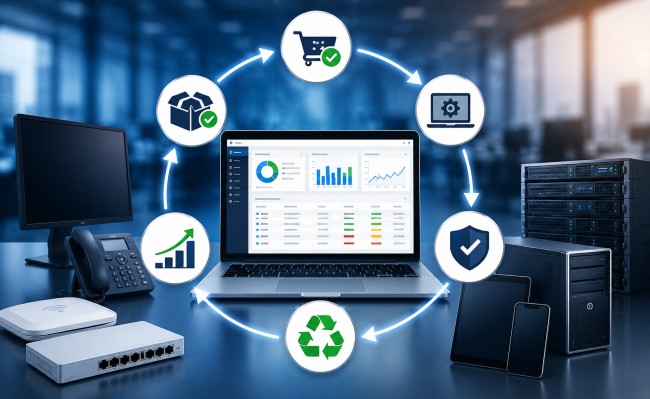
Smart companies have started paying close attention to this problem. They look for better tools to track every piece of tech from birth to retirement. That toolbox often includes a special category of programs.
The category goes by a bulky name. That name is IT asset lifecycle management software. This tool changes the whole game for finance teams and operations managers alike.
1. The Visibility Problem Gets Solved
Old methods leave too many blind spots. Spreadsheets go out of date fast. People forget to log changes. Equipment moves between offices without any notification. This chaos creates a huge visibility gap.
Managers cannot see what they actually own. They guess about usage patterns. They make decisions based on gut feelings. That approach fails constantly.
The right software paints a complete picture. Every single device shows up on a single dashboard. The location pops up instantly.
The current user appears clearly. The purchase history sits right there. This full view stops the guessing game for good. Decision-makers finally see the real state of their tech empire.
2. Costs Come Down Dramatically
Saving money drives every business decision. This software delivers real savings quickly. Unused devices get identified and reassigned. Nobody buys new gear when old gear works fine.
Software licenses get trimmed to match actual usage. Maintenance contracts get reviewed and canceled if unnecessary. Energy costs drop because idle servers get powered down.
The numbers tell a compelling story. Companies report cutting hardware spending by twenty percent or more. Some slash software costs by nearly a third. These reductions go straight to the bottom line. The savings often pay for the software many times over within the first year.
3. Security Risks Get Managed Better
Data breaches terrify every organization. One lost laptop can expose thousands of records. One forgotten server can hold vulnerable information for years. The software tracks every asset throughout its entire journey.
Security teams receive alerts when something goes missing. They get notifications about outdated firmware. They learn about devices that lack the latest patches.
This early warning system prevents many disasters. Retirement becomes a controlled process too. The software ensures proper data wiping before any device leaves the building.
No sensitive information walks out the door accidentally. This security layer gives peace of mind to board members and customers alike.
4. Compliance Becomes Much Easier
Regulations keep getting tougher. GDPR demands strict data handling. HIPAA requires detailed records. Various industry standards expect full traceability. Manual processes fail these audits regularly.
The software automates the record-keeping work. Every transaction gets logged automatically. Each disposal gets documented properly. License agreements stay current and visible.
Audit teams love this setup. They can pull reports in minutes. They verify compliance without hunting through filing cabinets. The software produces clear evidence of responsible management. This capability saves huge fines and legal headaches down the road.
5. Remote Work Gets Way Simpler
Distributed teams create distribution chaos. Laptops ship to home offices across the globe. Monitors land in different countries. Employees change roles and locations frequently. Tracking all this movement without software feels impossible. The right platform handles remote logistics effortlessly.
Managers see exactly where each device lives. They know who holds which machine. They arrange shipping for transfers or returns. The software even handles warranty claims across borders.
This remote capability proves essential in today’s flexible work world. Companies cannot manage scattered teams without this digital backbone.
6. Vendor Negotiations Gain More Power
Purchasing departments often fly blind. They lack solid usage data. They accept standard pricing from suppliers. The software changes this dynamic completely.
Detailed usage reports show exactly what the organization needs. Procurement teams spot underused subscriptions. They identify overpriced contracts. They walk into negotiations with real facts.
Vendors respect this preparation. They offer better deals to informed buyers. The organization saves money on every renewal. They avoid locking into unfavorable long-term agreements. Knowledge truly becomes power in these conversations.
7. Sustainability Goals Get a Boost
Environmental responsibility matters more than ever. Investors care about green practices. Customers prefer eco-friendly partners. The software helps track the environmental impact. It monitors energy consumption across the device fleet. It identifies older, power-hungry equipment for replacement. It facilitates responsible recycling at end-of-life.
Companies measure their carbon footprint more accurately. They set reduction targets with confidence. They report progress to stakeholders transparently. This green angle attracts positive attention.
It differentiates the business from less conscious competitors. The software supports both profit and planet simultaneously.
8. Decision-Making Turns Data-Driven
Gut instincts belong in the past. Modern managers rely on cold, hard facts. The software generates powerful analytics. Trends become visible over time.
Replacement cycles get optimized perfectly. Budget forecasts improve significantly. Leaders see which brands perform best. They learn which models break down too quickly. They understand actual total cost of ownership.
These insights guide smarter purchasing decisions. Money flows toward the most reliable options. Wasteful spending gets eliminated systematically. The whole organization benefits from this rational approach. The software transforms a chaotic process into a well-oiled machine.
Also Read: